- Culture
- SEE MORE
- classical
- general
- talk
- News
- Family
- Bürgerfunk
- pop
- Islam
- soul
- jazz
- Comedy
- humor
- wissenschaft
- opera
- baroque
- gesellschaft
- theater
- Local
- alternative
- electro
- rock
- rap
- lifestyle
- Music
- como
- RNE
- ballads
- greek
- Buddhism
- deportes
- christian
- Technology
- piano
- djs
- Dance
- dutch
- flamenco
- social
- hope
- christian rock
- academia
- afrique
- Business
- musique
- ελληνική-μουσική
- religion
- World radio
- Zarzuela
- travel
- World
- NFL
- media
- Art
- public
- Sports
- Gospel
- st.
- baptist
- Leisure
- Kids & Family
- musical
- club
- Health & Fitness
- True Crime
- Fiction
- children
- Society & Culture
- TV & Film
- gold
- kunst
- música
- gay
- Natural
- a
- francais
- bach
- economics
- kultur
- evangelical
- tech
- Opinion
- Government
- gaming
- College
- technik
- History
- Jesus
- Health
- movies
- radio
- services
- Church
- podcast
- Education
- international
- Transportation
- Other
- kids
- podcasts
- philadelphia
- Noticias
- love
- sport
- Salud
- film
- and
- 4chan
- Disco
- Stories
- fashion
- Arts
- interviews
- hardstyle
- entertainment
- humour
- medieval
- literature
- alma
- Cultura
- video
- TV
- Science
- en
Monetary Modernism
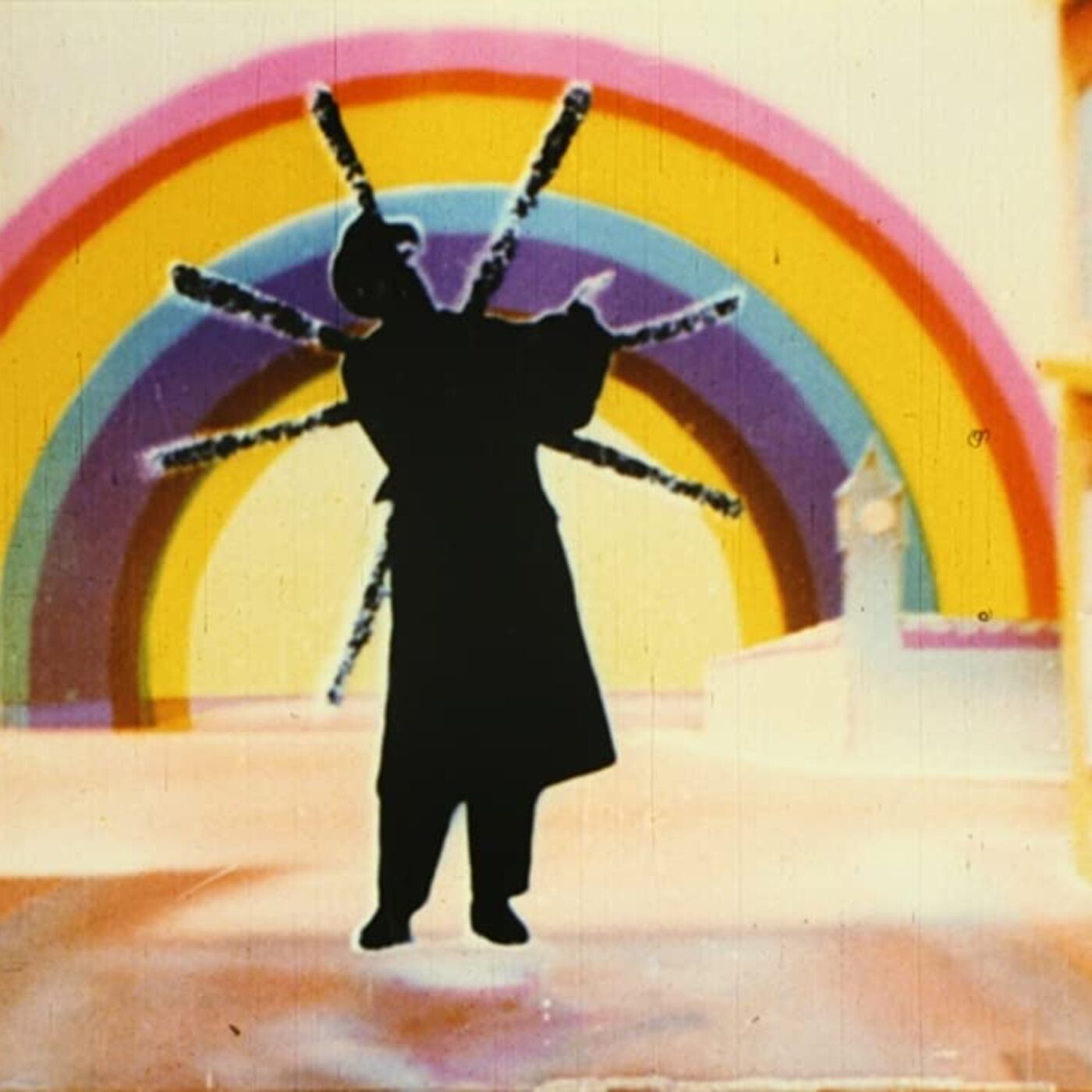
In this special episode of Money on the Left, the MotL Collective shares an audio recording from a conference panel titled, \u201cMonetary Modernism.\u201d Featuring papers by Scott Ferguson (University of South Florida), Rob Hawkes (Teesside University), and Maxximilian Seijo (University of California, Santa Barbara), the panel was presented at the Hopeful Modernisms conference organized by the British Association for Modernist Studies (BAMS) at University of Bristol, June 22 - 25, 2022.\xa0
The conference sought to revive hopeful and more generative impulses in modernist art and literature, challenging a persistent view of modernism as relentlessly bleak and angst-ridden. It did so, moreover, for a present moment similarly burdened by dead-end accelerationist and pessimist imaginaries.\xa0
The panel begins with Rob Hawkes. He introduces the BAMS audience to the wide-ranging contributions of the Money on the Left Editorial Collective. He also makes the case for reading Georg Friedrich Knapp\u2019s early twentieth-century chartalist approach to money as a modernist project deeply entwined with myriad other aesthetic modernisms.\xa0
In the first presentation, Scott Ferguson explores how Len Lye\u2019s Rainbow Dance (1936), a short experimental promotional film for British public postal banking,embraces the abstractness, publicness, and heterogeneous plentitude of both money mediation and avant-garde cinema.
In the second talk, Rob Hawkes uncovers how tensions between fixed and fluid understandings of identity formation and history inform John Maynard Keynes\u2019 chartalist-inspired writings on money as much as Nella Larsen\u2019s 1929 novella Passing and Ford Madox Ford\u2019s 1933 novel The Rash Act.
Lastly, Maximilian Seijo\u2019s presentation carefully works through metaphors for money in Virginia Woolf\u2019s book-length feminist essay, A Room of One\u2019s Own (1929), complicating the text\u2019s appeals to monetary substances and fluids by teasing out its experimental approach to imagining non-patriarchal infrastructures for provisioning aesthetic work.\xa0
If you are interested in the texts and images that accompany some of the presentations, see here for Rob Hawkes\u2019 slides and here for Scott Ferguson\u2019s PowerPoint deck.\xa0