- Other
- SEE MORE
- classical
- general
- talk
- News
- Family
- Bürgerfunk
- pop
- Islam
- soul
- jazz
- Comedy
- humor
- wissenschaft
- opera
- baroque
- gesellschaft
- theater
- Local
- alternative
- electro
- rock
- rap
- lifestyle
- Music
- como
- RNE
- ballads
- greek
- Buddhism
- deportes
- christian
- Technology
- piano
- djs
- Dance
- dutch
- flamenco
- social
- hope
- christian rock
- academia
- afrique
- Business
- musique
- ελληνική-μουσική
- religion
- World radio
- Zarzuela
- travel
- World
- NFL
- media
- Art
- public
- Sports
- Gospel
- st.
- baptist
- Leisure
- Kids & Family
- musical
- club
- Culture
- Health & Fitness
- True Crime
- Fiction
- children
- Society & Culture
- TV & Film
- gold
- kunst
- música
- gay
- Natural
- a
- francais
- bach
- economics
- kultur
- evangelical
- tech
- Opinion
- Government
- gaming
- College
- technik
- History
- Jesus
- Health
- movies
- radio
- services
- Church
- podcast
- Education
- international
- Transportation
- kids
- podcasts
- philadelphia
- Noticias
- love
- sport
- Salud
- film
- and
- 4chan
- Disco
- Stories
- fashion
- Arts
- interviews
- hardstyle
- entertainment
- humour
- medieval
- literature
- alma
- Cultura
- video
- TV
- Science
- en
Adamo Didur
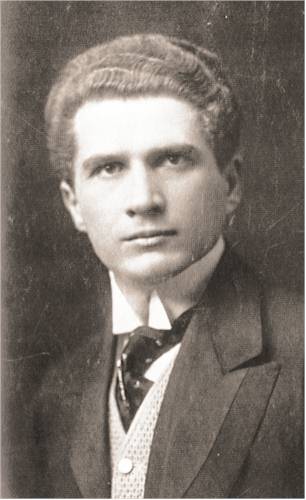
His North American debut was as Alvise in Ponchielli's La Gioconda at the second season opening of Hammerstein's Manhattan Opera House. It was the night of "Golden Age" stars, also featuring American debuts of Giovanni Zenatello as Enzo and Jeanne Gerville-R\xe9ache as La Cieca, while Lillian Nordica sang the tile role, Mario Ancona was Barnaba and Eleanora de Cisnero was Laura. A year later, Metropolitan Opera engaged Didur as M\xe9phistoph\xe9l\xe8s in Gounod's Faust at the inauguration of the new Brooklyn Academy of Music to be followed two days later by his Ramfis in Giuseppe Verdi's Aida. On this all-star opening night of the 1908 season, Arturo Toscanini was in the pit and the rest of the cast included Emmy Destinn in her Met debut as Aida, Enrico Caruso (Radames), Louise Homer (Amneris) and Antonio Scotti (Amonasro). He remained with the company for a quarter of a century and became one of its principal bass singers, counting 933 performances in 55 roles.[9]
It was at the Met in 1913 that he appeared in the title role of Boris Godunov in the American premiere of Mussorgsky's opera.[10][11][12] Didur created the roles in three operas by Giacomo Puccini at the Met, La fanciulla del West and the Il tabarro and Gianni Schicchi of the Il Trittico trilogy. He also appeared at the world premiere of Humperdinck's Die K\xf6nigskinder. His other important "firsts" at the Met include the US premieres of Mozart's Cos\xec fan tutte, Smetana's The Bartered Bride, Borodin's Prince Igor (singing both Prince Galitzky and Khan Konchak), and Montemezzi's L'amore dei tre re. He also sang under the baton of Gustav Mahler in Mozart's Le nozze de Figaro, Smetana's The Bartered Bride and the Met premiere of Tchaikovsky's The Queen of Spades. Didur's last appearance at the Met was in the role of Copp\xe9lius in Les Contes d'Hoffmann on 11 February 1932.[9] His voice had been on the wane for some time and he returned to live in Europe.[13