- Health
- SEE MORE
- classical
- general
- talk
- News
- Family
- Bürgerfunk
- pop
- Islam
- soul
- jazz
- Comedy
- humor
- wissenschaft
- opera
- baroque
- gesellschaft
- theater
- Local
- alternative
- electro
- rock
- rap
- lifestyle
- Music
- como
- RNE
- ballads
- greek
- Buddhism
- deportes
- christian
- Technology
- piano
- djs
- Dance
- dutch
- flamenco
- social
- hope
- christian rock
- academia
- afrique
- Business
- musique
- ελληνική-μουσική
- religion
- World radio
- Zarzuela
- travel
- World
- NFL
- media
- Art
- public
- Sports
- Gospel
- st.
- baptist
- Leisure
- Kids & Family
- musical
- club
- Culture
- Health & Fitness
- True Crime
- Fiction
- children
- Society & Culture
- TV & Film
- gold
- kunst
- música
- gay
- Natural
- a
- francais
- bach
- economics
- kultur
- evangelical
- tech
- Opinion
- Government
- gaming
- College
- technik
- History
- Jesus
- radio
- movies
- services
- Church
- podcast
- Education
- international
- Transportation
- Other
- kids
- podcasts
- philadelphia
- Noticias
- love
- sport
- Salud
- film
- and
- 4chan
- Disco
- Stories
- fashion
- Arts
- interviews
- hardstyle
- entertainment
- humour
- medieval
- literature
- alma
- Cultura
- video
- TV
- Science
- en
Episode 285: Magnify Maggie
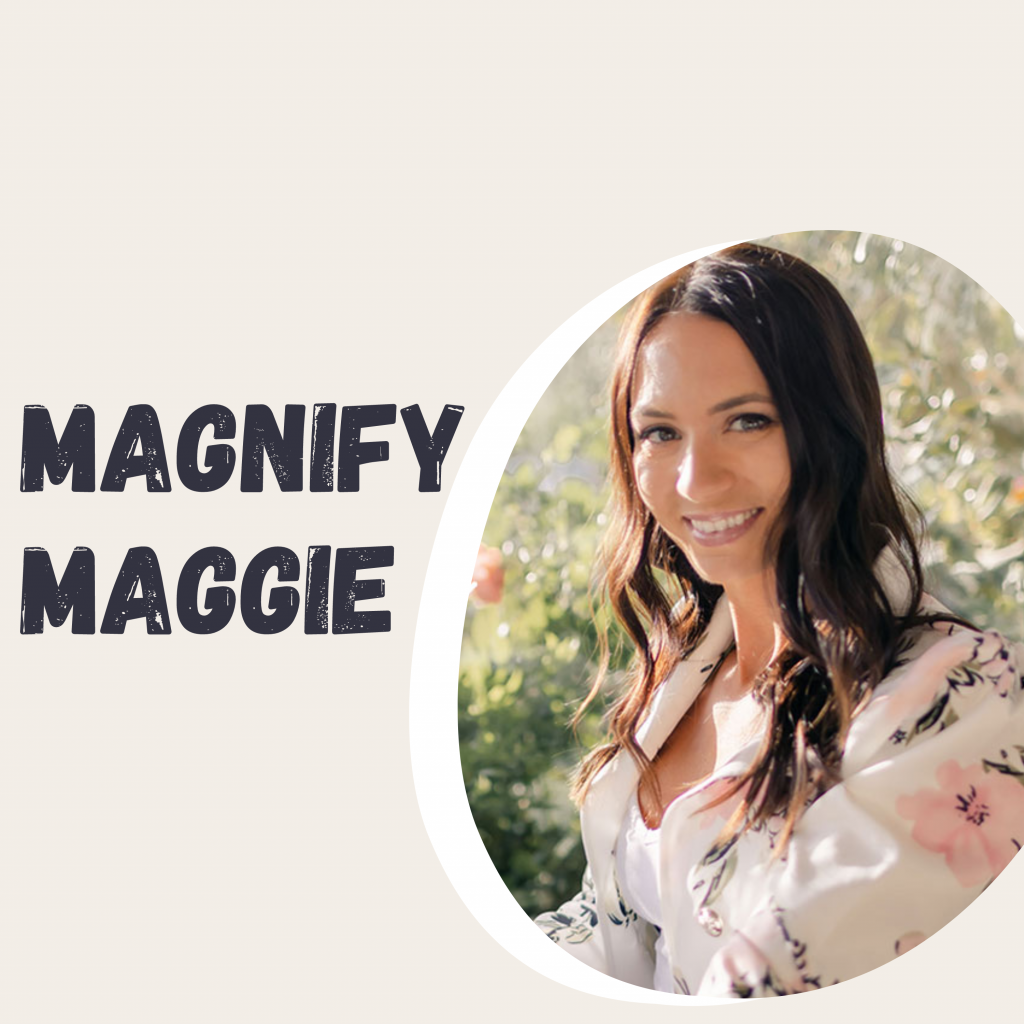
Although of different generations, Host John Sheldon and his guest on this episode of Beyond Belief Sobriety find commonality both in the loss of a loved one to suicide and their perspectives on recovery. Maggie Jenson, an alternative recovery coach, shares the journey and vision behind her remarkable Magnify Digital Rehabilitation Program, including the traumatic past she overcame through positivity and empowerment. \u201cRecovery isn\u2019t about shaming yourself,\u201d she says. \u201cIt\u2019s about recovering things that you love so much that (alcohol) doesn\u2019t have the power over you that you once believed.\u201d
\nYou\u2019ll learn about how Maggie found her way to mental and physical health through a combination of modalities and an emphasis on self-awareness. Her platform offers innovative educational modules, a knowledge bank of video resources, nutritional and physical fitness coaching and an active online community for support and accountability. A non-judgmental, non-religious, science-driven orientation infuses every aspect of the Magnify Digital Rehabilitation Program, which also embraces the concepts of harm reduction and Alcohol Use Disorder on a spectrum. With her positive mindset, Maggie doesn\u2019t want recovery to be all about abstaining from a substance we fear. Instead? She\u2019s inviting us to celebrate the things we love and reconnect with an identity that is \u201cfree and powerful and driven and healthy.\u201d
\nTo explore more of Maggie\u2019s work and hear her inspirational message, visit her many social media channels (links below). Or schedule a discovery call here.
\nKey Takeaways
\n
\n* A dad in the military and a mom who was a teacher. It looked like an idyllic Midwestern life, but was profoundly shaped by alcoholism.
\n* Despite all the research she\u2019d read and an early introduction to AlAnon, Maggie turned to alcohol for relief after her brother committed suicide at 14, in much the same way, at 21, John started self-medicating following his mother\u2019s suicide.
\n* Maggie attributes her ultimate recovery and success in life to her dad, who stepped in with love and acceptance that offset her mother\u2019s toxic anger. Still, the blueprint was set and it would be 15 years of addiction before she found a way out.
\n* Life hurts. Depression. A traumatic history. Maggie looked to anything other than alcohol as the source of her problems.
\n* The 2018 loss of her cherished father in a motorcycle accident drove Maggie deeper into an addiction fueled by loss after loss, alienation and detachment.
\n* Doing Something Different: Tuning in to what \u201clittle Maggie\u201d had once loved (fitness, studying, reading, public speaking) opened a window on fun and engagement that gradually replaced her thoughts about alcohol.
\n* Maggie\u2019s recovery was built on developing an identity totally apart from alcohol \u2013 one that was self-soothing and self-sustaining without substances.
\n* Painting alcohol as a target gives our brains something on which to fixate rather than a positive, empowering direction in which to go.
\n* Neutralizing alcohol is the starting point for shifting away from rumination, shame, guilt and compulsion.
\n* Scientific research is establishing that Alcohol Use Disorder exists on a spectrum, which means there is a spectrum of ways in which to respond.
\n* Black and White Thinking: No one is served by extreme labels that shut down people who would otherwise be open to exploring sobriety.
\n* Harm Reduction: Moderation is incremental and can be a viable alternative to total abstinence.
\n* Recovery as a process of change \u2013 not a tool dedicated exclusively to sobriety.
\n* What is the opposite of addiction? For Maggie, it\u2019s freedom and health.