RT3 - Maria Alonso Gonzalez Markets for Mobility as a Service
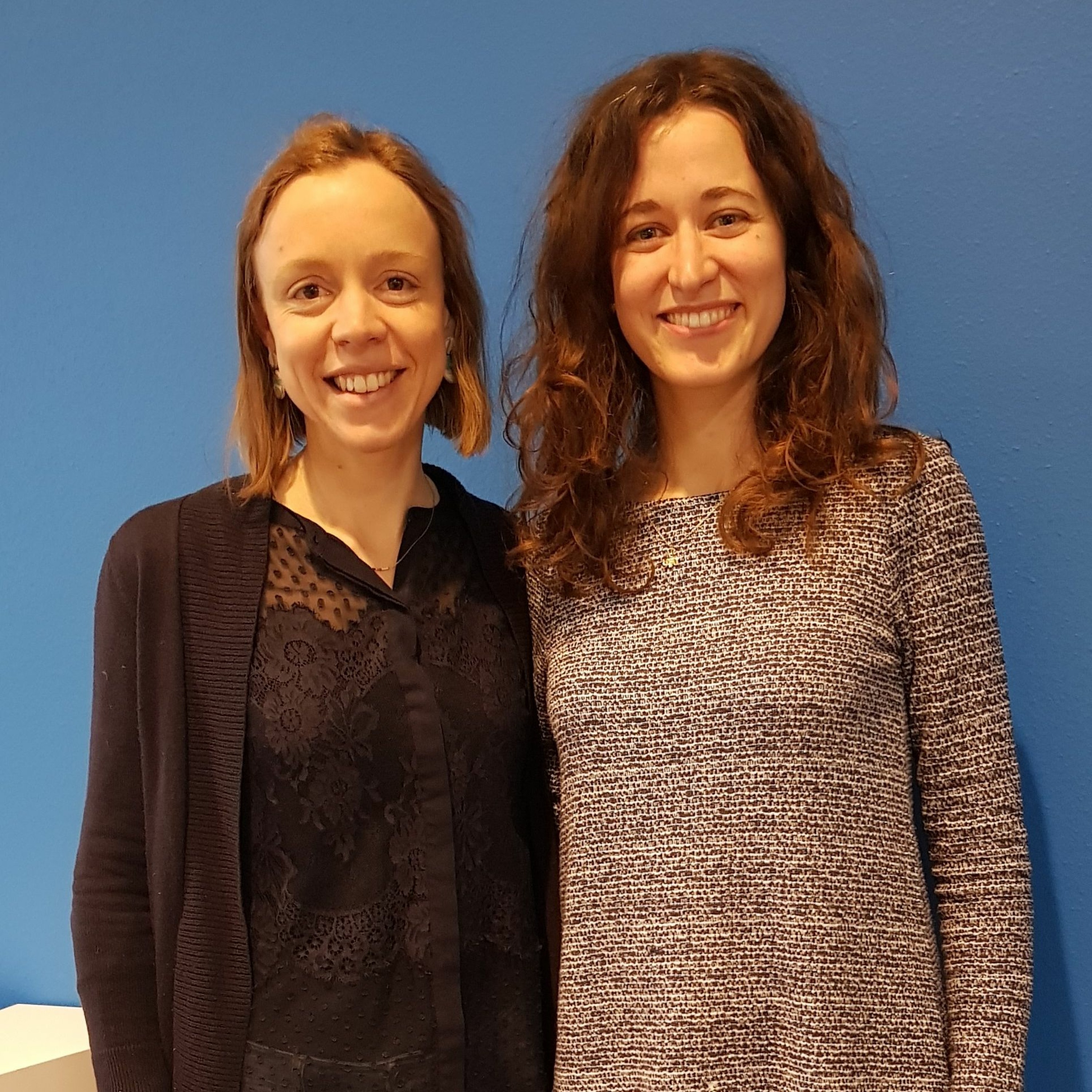
\u201cBy enabling integration of services we can provide transport alternatives to individuals that are better than their own car, which is why MaaS is attracting so much attention\u201d\n\nMobility as a Service promises integration of new transport technologies with existing transit networks to provide flexible transport options. Attracted by the unmatched user-orientation of MaaS, Maria Alonso Gonzalez\u2019 research dives into the needs and attitudes of different population segments in terms of their readiness to adopt MaaS. \n\n\u201cBy catering to the needs of the users you can improve the satisfaction of the users. If you improve the satisfaction, you can improve patronage\u201d\n\nMaria's research identified five distinctive user segments defined along the four dimensions of mobility integration, openness to new services, technological readiness and willingness to pay for an increased level of service. Two important barriers emerge as the biggest challenges to successful MaaS implementation: the digital divide and avoiding automobile attachment. \n\nMaria shares the characteristics of the market segments and the insights they yield for successful MaaS implementation in Europe, with lessons for the rest of the world. \n\nRead more about the characteristics of user segments in terms of their readiness to adopt MaaS here: \u201cDrivers and barriers in adopting Mobility as a Service (MaaS) \u2013 A latent class cluster analysis of attitudes\u201d (https://www.researchgate.net/publication/338082996_Drivers_and_barriers_in_adopting_Mobility_as_a_Service_MaaS_-A_latent_class_cluster_analysis_of_attitudes)\n\nMar\xeda can be contacted at m.j.alonsogonzalez@tudelft.nl \nhttps://www.linkedin.com/in/mariaj-alonsogonzalez/\n\nTheme music for this episode is from https://www.purple-planet.com