RT19 - Laura Aston - Linking the built environment to train, tram and bus use
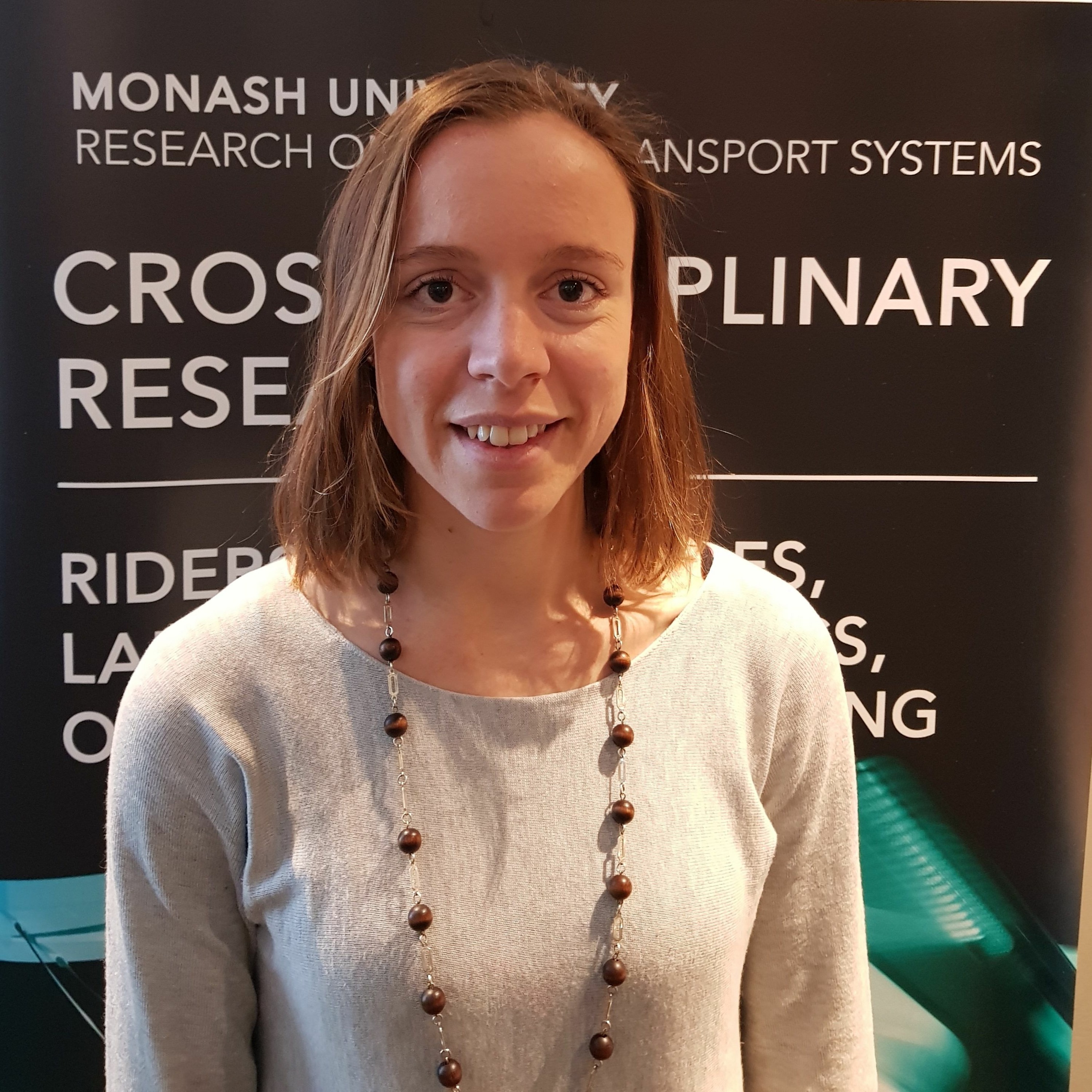
In today\u2019s show, Graham turns the tables on Laura, delving in to her research which unpacks the relationship between the built environment and public transport use.\n\nLaura starts by providing some context about the role of land use in influencing travel demand, before defining the term \u201cbuilt environment\u201d in the context of travel behaviour. \n\nLand use is the fundamental unit of demand for transport within cities, and public transport is at its most efficient when it is integrated with the surrounding land use. When it comes to making choices about which mode to use, there are a broader set of built environment characteristics that affects choice; such as \n\u2022\tland use intensity,\n\u2022\tpedestrian permeability and amenity,\n\u2022\tland-use mix and \n\u2022\tthe accessibility of destinations.\n\nLaura charts a brief history of transport and land use research and policy. They have in common a goal of understanding \u2013 or creating - transit-friendly, walkable neighbourhoods that reduce the need to travel. It\u2019s a topic that has been turbocharged by COVID-19; in the interest of reducing crowding while ensuring people are able to fulfil their daily living necessities and enjoy a high quality of life in their neighbourhood\n\n\u201cSpace in cities is at a premium and transport corridors allow for efficient movement of people.\u201d\n\nDespite an abundance of research, or perhaps because of it, there remains a lack of clarity about the importance of different built environment factors for encouraging transit use. \n\nAnother gap Laura sought to address was whether there were significant differences in the predictors of transit use by mode. Laura sought to understand whether demand for urban bus use was associated with a different set of urban form features compared to rail. However, exploring this question required first addressing pre-existing bias in the location of different modes in a network. For example, bus, by virtue of its flexible routing, usually provides more coverage in lower density areas away from mixed-use activity centres than rail. The first empirical study in Melbourne addressed this mode location bias and identified that the demand models for individual modes were different (2). This was affirmed by further analysis that drew on an even larger dataset spanning three multimodal transit networks, complementing the Melbourne dataset with rich data for Boston and Amsterdam\u2019s urban form and transit ridership. In fact, few factors are common between modes across the study areas.\n\n\u201c[transit] mode is one of the contextual factors that needs to be taken into account when you are trying to accurately predict demand, or build models for planning\u201d.\n\nThis research highlighted that bus demand also shows a significant link to urban form. Better understanding the psychological pathways by which the built environment affects perceptions about bus travel may provide a key to unlock successful bus-oriented development. \n\nVisit the full shownotes on the website for links to Laura's publications: http://publictransportresearchgroup.info/?p=51790\n\nCheck out other great mass transit podcasts, and subscribe for instant downloads by visiting Feedspot\u2019s Top 20 list. https://blog.feedspot.com/mass_transit_and_public_transport_podcasts/\n\nSign up for updates when we release shows: http://eepurl.com/g9tCdb\n\nMusic from this episode is from https://www.purple-planet.com