Episode 55: Alison Hinds
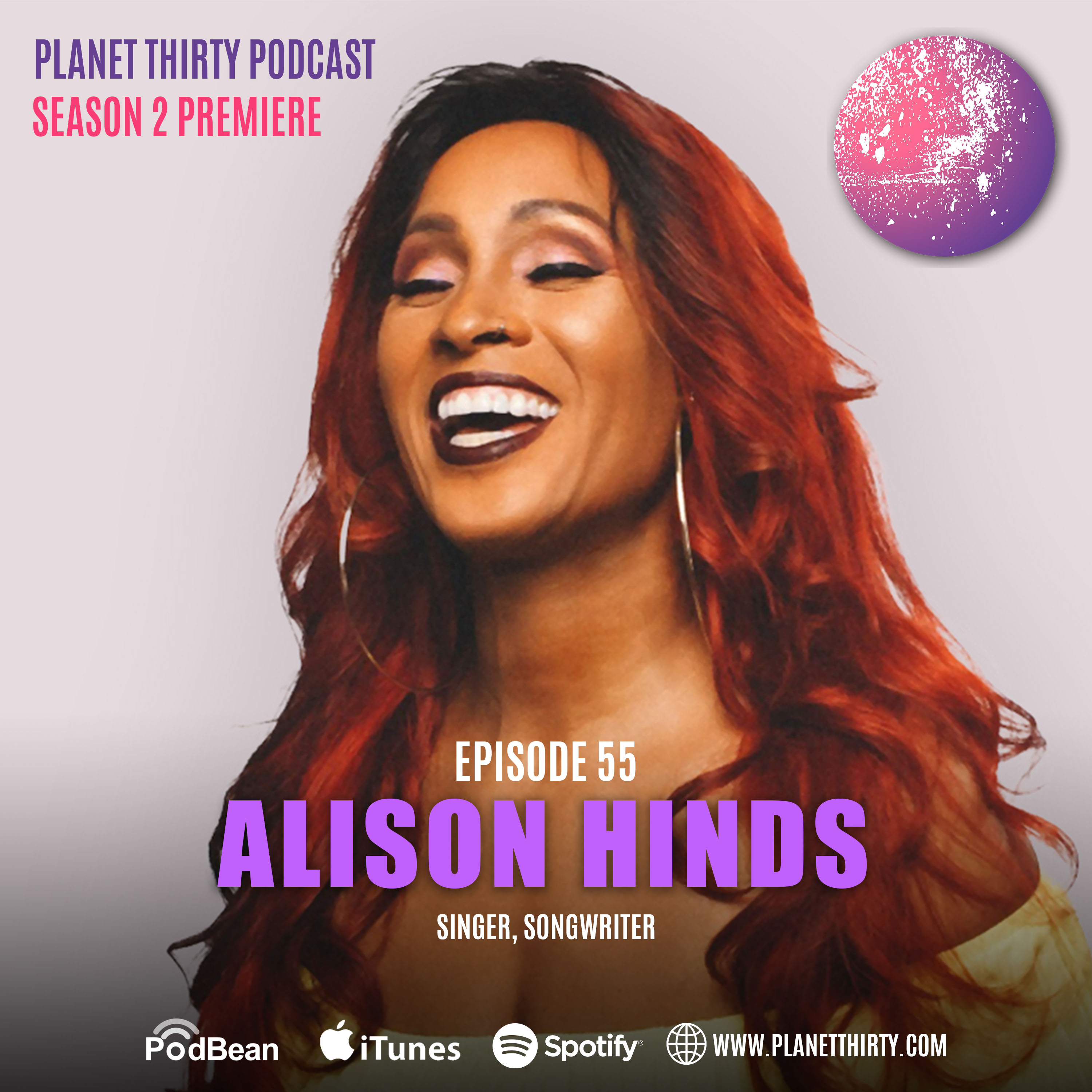
In the late 70s and early 80s Calypso music began to evolve. The genre, known for its wit, social commentary and coverage of serious issues set to slow tempos and delicate melodies started to adopt faster bpm rates and slightly more risqu\xe9 content in its lyrics.\nLead by Trinidad and Tobago artist Ras Shorty I, this new fusion of sounds; a manipulation and interpretation of percussion, electronic instruments and fresh melodies gave birth to Soca music. Soca music was rhythmic yet sensual, energetic, yet had the ability to touch the soul just as any genre created by Caribbean people had done in the past. Soca\u2019s popularity swept the Caribbean region and everywhere that the diaspora was represented.\nThe genre created several male super stars; however, few women were able to penetrate the male dominated Soca industry. That is until the mid 90s. A popular hotel and club band from Barbados named Square One decided to produce their own material. Their lead singer? A fresh faced 20 something year old named Alison Hinds. Her vocals were powerful, her stage presence commanding and her moves unforgettable. Her entree changed the face of the entire genre. Suddenly every band in the Caribbean required a female lead. Female solo artists from every island in the archipelago appeared in recording studios ready to tell their stories through Soca music. Alison Hinds did not merely push the door open, the removed its hinges and threw it away.\nWith a catalogue of hits spanning 3 decades and tours around the globe spreading the message of Soca, Alison Hinds has been appropriately dubbed the Queen of Soca. I had the honor of conversing with her about her storied career in music and her plans to expand the Alison Hinds empire through fashion among other things.\nThis is the story\u2026 thus far\u2026 Of Alison Hinds\u2026 The Queen of Soca!